
Mindfulness is a powerful tool that can help us stay grounded and present in our busy lives. It involves paying attention to the current moment with openness and without judgment. By practicing mindfulness regularly, you can reduce stress, improve focus, and enhance overall well-being. The great news is that mindfulness doesn’t require special equipment or a lot of time — just a few simple practices you can easily add to your daily routine.
In this post, we’ll explore straightforward mindfulness techniques that anyone can try. These methods are designed to fit into everyday life, helping you cultivate calm and clarity wherever you are.
What Is Mindfulness?
Mindfulness means being fully aware of what’s happening right now. Instead of worrying about the past or future, you notice your thoughts, feelings, bodily sensations, and surroundings with kindness. This awareness can help break the cycle of stress and distraction, allowing you to respond to life more thoughtfully.
Why Practice Mindfulness Daily?
– Reduces stress and anxiety: Mindfulness helps you step back from worries and refocus on the present.
– Improves concentration: Regular practice sharpens your attention and mental clarity.
– Enhances emotional health: Being mindful promotes a balanced mood and increases resilience.
– Boosts physical health: Mindfulness can lower blood pressure and improve sleep patterns.
– Fosters better relationships: Paying attention during conversations improves communication and empathy.
Even a few minutes each day can bring meaningful benefits.
Simple Mindfulness Practices to Try
1. Mindful Breathing
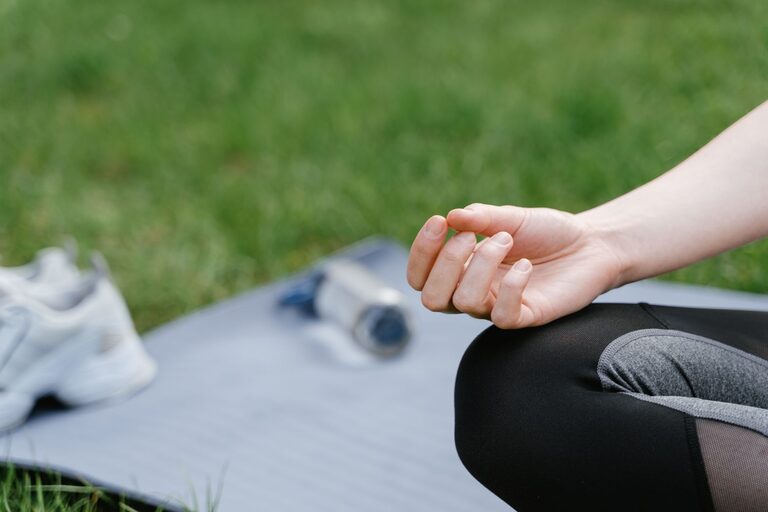
One of the easiest ways to practice mindfulness is through focused breathing. You can do this anywhere, anytime.
– Find a comfortable seat.
– Close your eyes or soften your gaze.
– Breathe in slowly through your nose, feeling your belly rise.
– Breathe out gently through your mouth or nose.
– Notice the sensation of the air moving in and out.
– If your mind wanders, gently bring your attention back to your breath.
Try this for 3 to 5 minutes daily to help calm your mind.
2. Body Scan
This exercise helps you connect with physical sensations and release tension.
– Lie down or sit comfortably.
– Close your eyes.
– Slowly bring your awareness to different parts of your body, starting from your toes and moving upward.
– Notice any tension, warmth, or discomfort without trying to change it.
– Breathe into those areas, imagining the tension melting away on each exhale.
A body scan can be especially helpful before sleep or after a long day.
3. Mindful Eating
Turn a regular meal or snack into a mindful experience.
– Eat slowly, focusing on each bite.
– Notice the colors, textures, and smells of your food.
– Chew carefully and savor the flavors.
– Pay attention to how your body feels during and after eating.
This practice can improve digestion and make meals more satisfying.
4. Mindful Walking
Walking offers a natural way to practice mindfulness while moving.
– Choose a quiet place to walk, indoors or outdoors.
– Walk slowly and pay attention to each step.
– Feel the contact of your feet with the ground.
– Notice the rhythm of your movement and your surroundings — sights, sounds, smells.
– If thoughts arise, acknowledge them and gently return focus to your walking.
Just 5 to 10 minutes can refresh your mind.
5. Mindfulness Reminders
Incorporate mindfulness into your day by using simple prompts.
– Set a timer or phone reminder to pause and breathe.
– Tie mindfulness to daily activities, like brushing your teeth or washing dishes.
– Use sticky notes or apps to prompt you to stop and check in with yourself.
These small breaks help keep you present.
Tips for Successful Mindfulness Practice
– Be patient: It’s normal for your mind to wander. Gently bring it back without judgment.
– Start small: Even 1 to 3 minutes a day is beneficial and easier to maintain.
– Consistency matters: Regular practice builds your mindfulness muscle over time.
– Make it enjoyable: Find practices that feel good for you.
– Use guided resources: Apps, videos, or classes can provide helpful support.
Final Thoughts
Mindfulness is not about perfection or emptying your mind. It’s about learning to live with more awareness and kindness toward yourself. By weaving simple mindfulness practices into your daily life, you can reduce stress and increase joy, even on busy or challenging days.
Try incorporating one or two of these techniques this week. Notice how they make you feel and gradually build your practice from there. With time, mindfulness can become a natural, calming presence in your everyday routine.
About the Author