
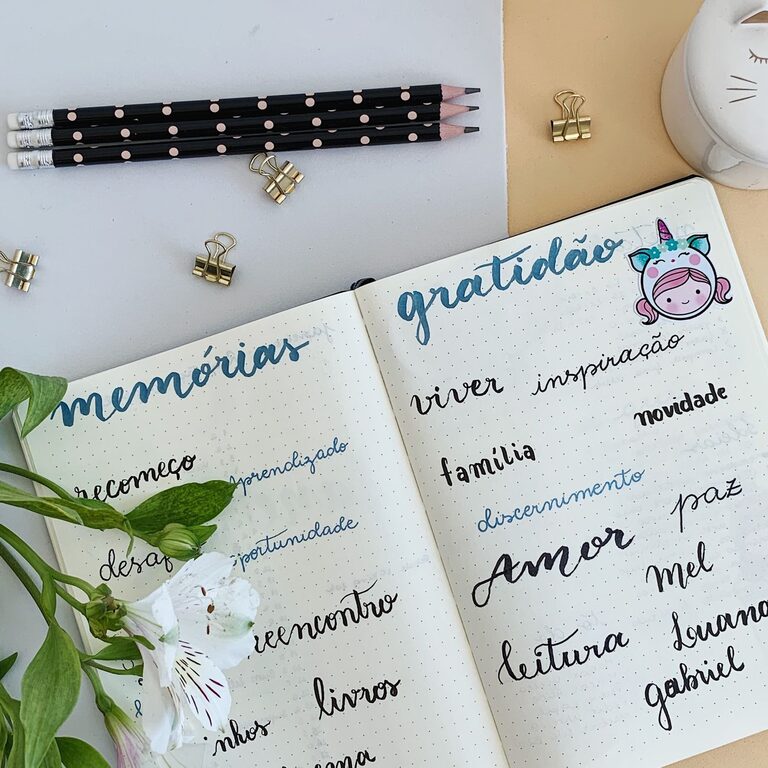
Gratitude journaling is a powerful and accessible way to boost your mood, improve mental clarity, and foster a positive outlook on life. By regularly writing down things you’re thankful for, you shift your focus from what’s lacking to what’s abundant. If you’re interested in starting your own gratitude journal but aren’t sure where to begin, this guide will walk you through the process step-by-step.
What Is a Gratitude Journal?
A gratitude journal is a dedicated notebook or digital document where you list things you feel grateful for on a regular basis. It’s a simple practice that encourages reflection on positive aspects of your life, no matter how big or small.
Why Keep a Gratitude Journal?
Before diving into how to start, it helps to understand the benefits:
– Improved mood and happiness: Focusing on gratitude can increase feelings of joy and satisfaction.
– Reduced stress: Gratitude practice has been linked to lower stress levels.
– Better sleep: Reflecting on positive moments can calm your mind before bedtime.
– Greater resilience: Recognizing good things helps you cope during tough times.
What You’ll Need
Starting a gratitude journal doesn’t require special tools—just a few simple items:
– A notebook, journal, or planner
– A pen or pencil
– Optional: a digital app or note-taking tool
Choose whatever feels comfortable and accessible. Many people enjoy the tactile experience of writing by hand, but digital options are convenient for on-the-go entries.
How to Start Your Gratitude Journal
1. Pick Your Journal
Select a journal or notebook you find appealing and easy to carry. This could be a plain notebook, a guided gratitude journal, or even a section in your regular planner.
2. Set a Regular Time
Consistency is key. Choose a time that works best for you, such as morning to start your day positively or evening to reflect before bedtime. Setting a reminder can help you build the habit.
3. Keep It Simple
Start by writing three to five things you are grateful for each day. These can be as simple as a good cup of coffee, a smile from a stranger, or a moment of quiet.
4. Be Specific
Instead of vague entries like “I’m grateful for my family,” try to be more detailed: “I’m grateful for the laughter I shared with my sister today.” Specificity helps you connect deeper with the experience.
5. Reflect on Why
Spend a moment thinking about why each item made you feel grateful. This adds depth to your practice and enhances its emotional benefits.
6. Add Variety
To keep journaling fresh, try mixing in different prompts or themes. For example:
– What made you smile today?
– Who inspired you recently?
– What’s a skill or talent you appreciate in yourself?
7. Don’t Stress About Perfection
Your gratitude journal isn’t meant to be a masterpiece. There’s no right or wrong way to do it. The important part is to engage in the practice regularly and authentically.
Tips for Maintaining Your Gratitude Journal
– Start small: Even writing one thing a day helps build the habit.
– Use visuals: Include photos, doodles, or inspirational quotes if that motivates you.
– Share your gratitude: Sometimes sharing entries with a friend or family member can amplify the positive effects.
– Review past entries: Occasionally reread your journal to remind yourself of the many things you’ve appreciated over time.
– Combine with other habits: Pair journaling with meditation or a calming cup of tea to create a comforting routine.
What to Expect
At first, it might feel awkward or forced to find things to be grateful for every day. That’s normal. As your practice grows, many people notice increased awareness of good moments in daily life and more positive thinking overall.
Sample Gratitude Journal Entry
Here’s an example to inspire your own writing:
Today, I’m grateful for the warm sunshine during my morning walk, the delicious homemade lunch I enjoyed, and the encouraging text from a close friend. These moments reminded me that small joys make each day meaningful.
Final Thoughts
Starting a gratitude journal is a simple yet effective way to nurture positivity and mindfulness. By dedicating just a few minutes each day to reflect on the good things in your life, you can create a lasting habit that supports your well-being. Remember, the best journal is one that fits your lifestyle—there’s no perfect formula, only your personal expression of gratitude.
Ready to give it a try? Grab a notebook or open a new digital document and start writing today!
About the Author